
Early Signs of Perimenopause No One Warns You About
When most women think about menopause, they think about hot flushes and periods stopping.
But perimenopause… the years leading up to menopause… often begins far more quietly.
And the early signs?
They’re rarely explained properly.
Instead, women are told they’re stressed. Busy. Not sleeping enough. Getting older. Not coping as well as they used to.
If you’ve had the feeling that something has shifted, but you can’t quite name it.. this blog will help.
What is perimenopause?
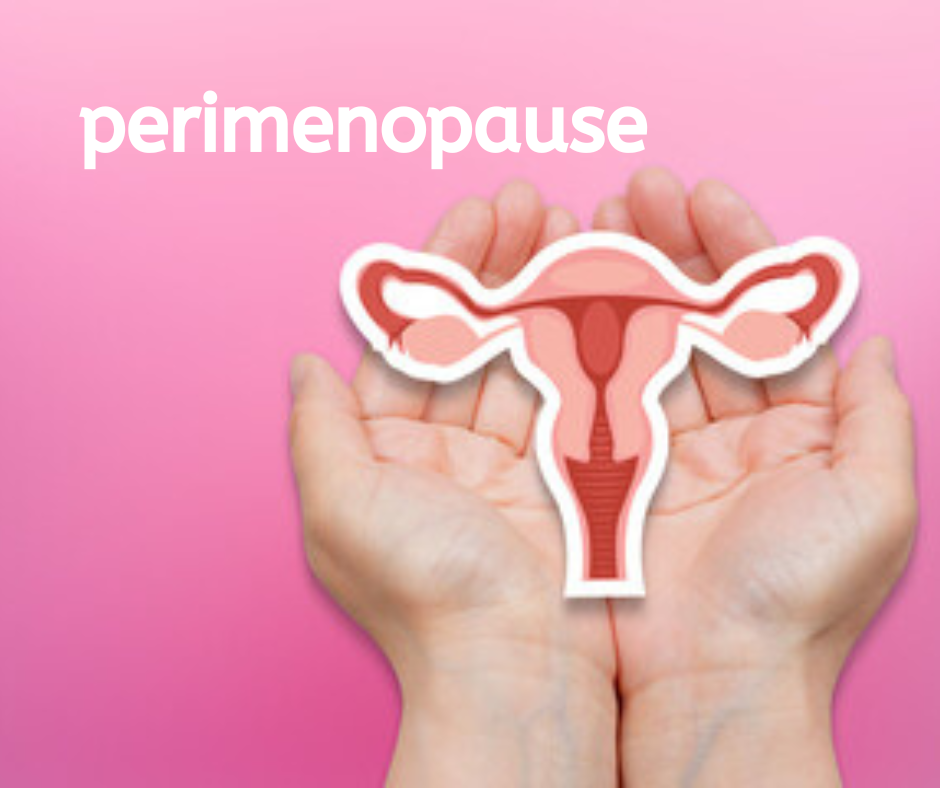
Perimenopause is the stage before menopause, when hormones… particularly oestrogen and progesterone… begin to fluctuate.
It can start in your early-to-mid 40s.
Sometimes earlier.
Periods may still be regular at first. That’s what makes it confusing.
You can be in perimenopause even if your cycle hasn’t obviously changed yet.
Early signs of perimenopause that often get missed
These symptoms are common but rarely get joined up.
1. Anxiety that feels new or out of character
You may feel on edge, more easily overwhelmed, or prone to racing thoughts… even if you’ve never struggled with anxiety before.
2. Poor sleep (especially waking at 3–4am)
Falling asleep may be fine but staying asleep becomes harder.
3. Feeling more sensitive to stress
Things you used to manage easily now feel disproportionately heavy.
4. Brain fog
Forgetting words. Losing your train of thought. Walking into rooms and not knowing why.
5. Heavier, shorter or slightly unpredictable periods
Even subtle shifts can signal hormonal change.
6. Breast tenderness or changes in PMS
Symptoms may intensify or just feel different.
7. Fatigue that doesn’t match your lifestyle
You’re tired… but not necessarily doing more.
8. Changes in body composition
You may notice weight shifting around your middle even if nothing obvious has changed.
9. Lower stress tolerance
Less emotional buffer. Less patience. Quicker to tears or irritation.
10. A subtle sense of “not feeling like yourself”
This is the one women describe most and struggle to explain.

Why these symptoms get dismissed
Early perimenopause often overlaps with:

busy careers
teenagers at home
ageing parents
relationship shifts
general midlife pressures
So symptoms are easily labelled as “just stress”.
But hormonal fluctuations affect:
serotonin (mood regulation)
cortisol (stress response)
sleep cycles
blood sugar balance
energy production
So even if life is busy, your body may now be responding to that stress differently.
You can be perimenopausal even if…
Your periods are still regular
You’re “too young” (according to someone else)
You’re fit and eat well
Blood tests look “normal”
You don’t have hot flushes
Perimenopause doesn’t announce itself dramatically at first… It often whispers.
Why recognising it matters
When women understand that early perimenopause may be part of the picture:
self-blame softens
health choices become more supportive
they stop pushing through quite so hard
they start nourishing rather than restricting
Many of the post-menopausal women I work with say they wish they’d understood this stage sooner.
Not because it’s something to panic about… but because it’s something to support and prepare for.

What helps in early perimenopause
You don’t need extreme measures.
Start with foundations:
Eat regularly and adequately
Prioritise protein and blood sugar balance
Take stress physiology seriously
Protect sleep where you can
Avoid punishing your body for changing
This stage responds well to steady, consistent care… not drastic overhauls.

A final reassurance
If you’ve been thinking: “I don’t know what’s wrong with me.”
It may not be something wrong at all.
It may be the beginning of a transition that deserves understanding… not dismissal.
And the earlier you understand it, the steadier the journey can feel.
Lesley xx